Choosing the Right Bathroom Basin: Types, Sizes, and Materials
Pedestal, wall-hung, countertop, or undermount? A complete guide to choosing the right basin for your bathroom renovation.
The basin is one of the most-used fixtures in your bathroom, and the right choice balances aesthetics, practicality, and available space. Here's our guide to the main options.
Basin Types
Wall-Hung Basins
Mounted directly to the wall with no pedestal or furniture. Creates a clean, minimalist look with open floor space underneath for easy cleaning. Best for modern bathrooms and smaller spaces where you want the room to feel uncluttered. Plumbing can be concealed in the wall or covered with a bottle trap.
Price range: £80 – £500
Countertop (Sit-On) Basins
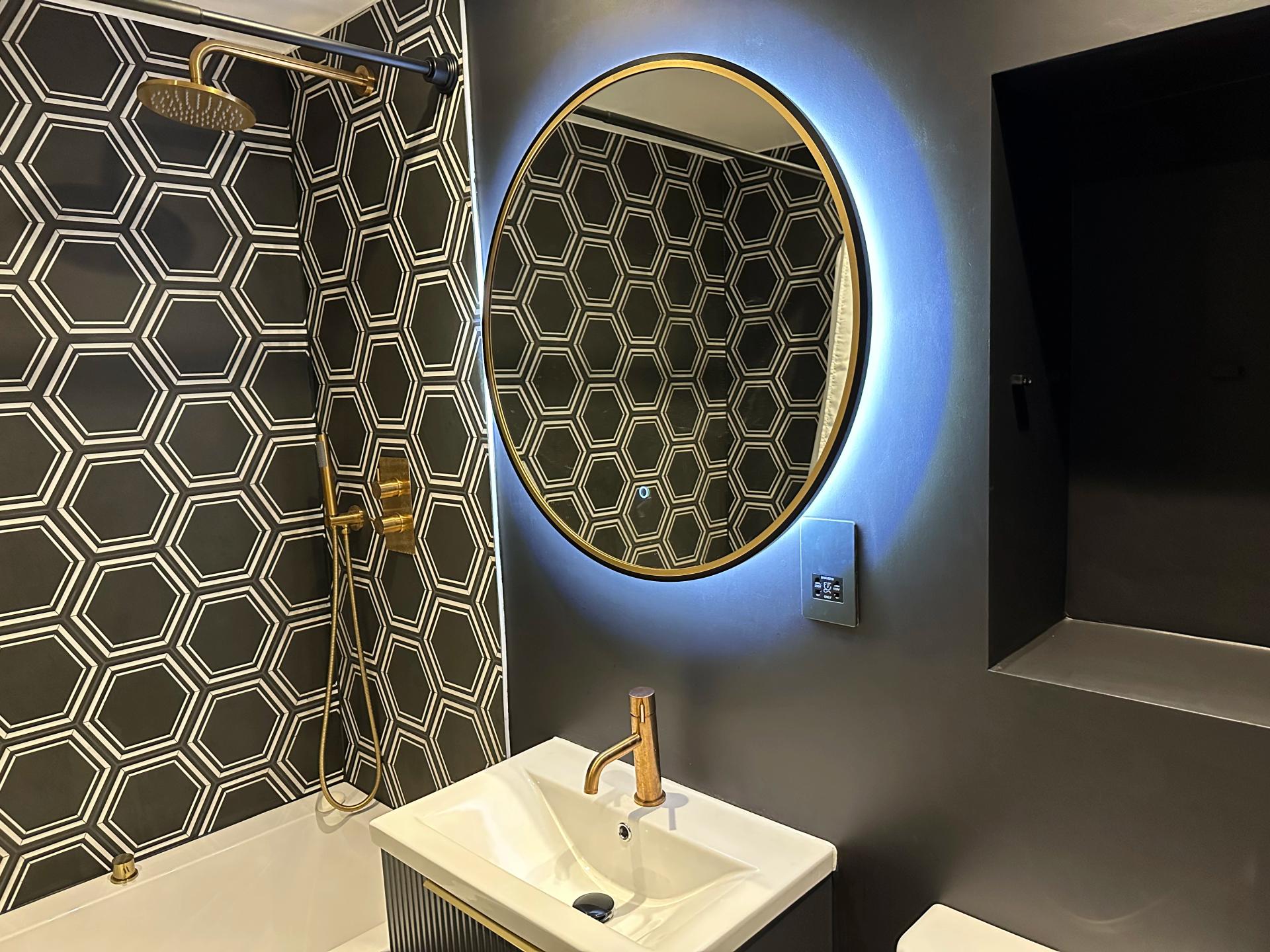
Sits on top of a vanity unit or shelf. This is the most popular choice in our renovations because it combines storage (inside the vanity) with a contemporary basin design. Round, oval, and rectangular shapes are all popular. The basin becomes a design feature in its own right.
Price range: £100 – £600
Inset (Drop-In) Basins
Drops into a cut-out in a countertop with a rim sitting flush on the surface. A practical choice that's easy to install and replace. Less contemporary than countertop basins but highly functional.
Price range: £60 – £300
Undermount Basins
Fixed underneath a stone or solid-surface countertop with no visible rim. Creates the cleanest line of any basin type — water wipes straight from the counter into the basin. Requires a solid countertop material (natural stone, quartz, or solid surface).
Price range: £120 – £500 (plus countertop costs)
Pedestal Basins
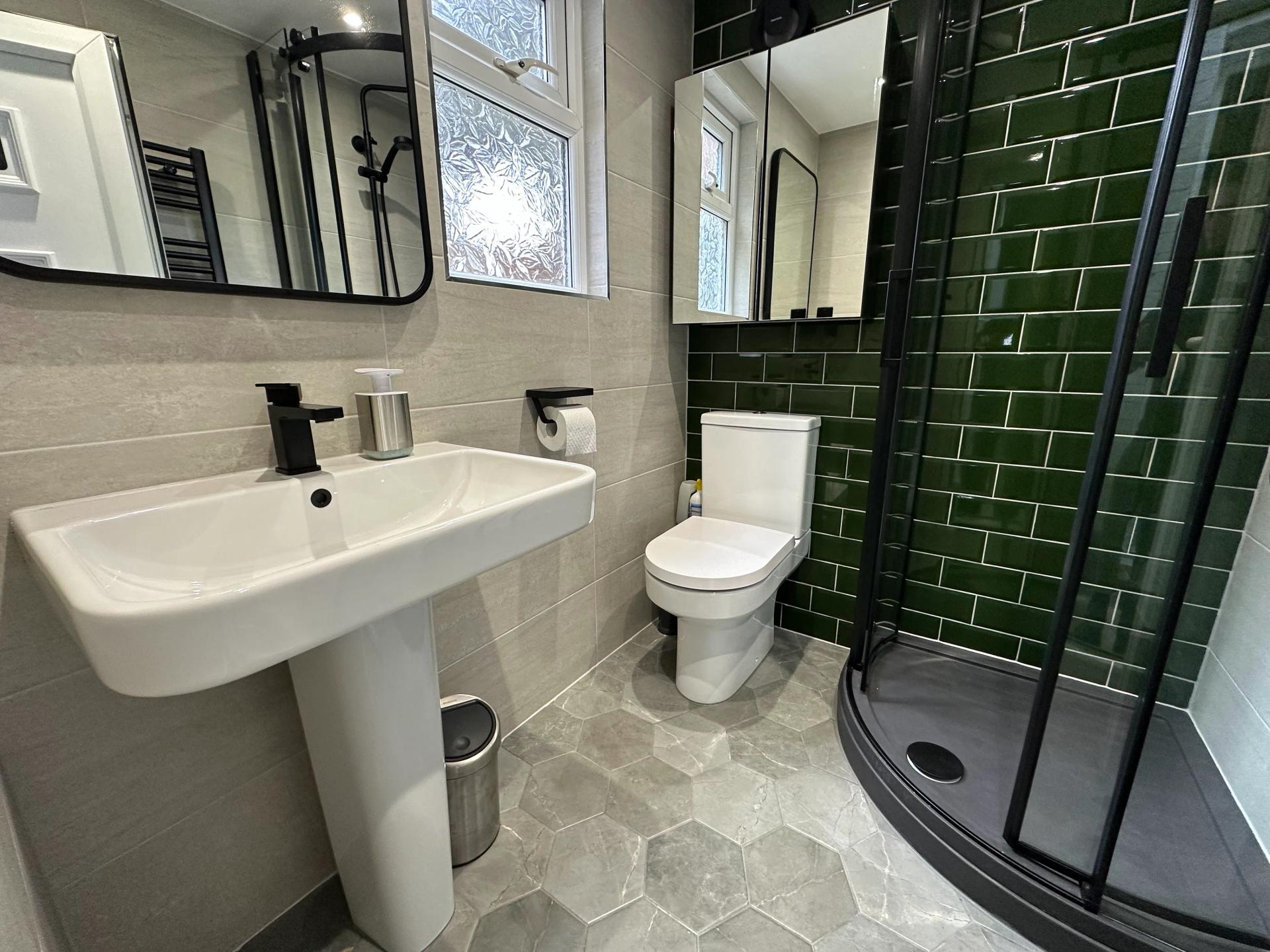
Traditional basin with a ceramic pedestal that conceals the plumbing. A classic choice for traditional bathrooms, though they offer no storage and take up more visual space. Full pedestals hide all pipework; semi-pedestals mount to the wall and hide only the trap.
Price range: £60 – £400
Basin Sizes
Standard basin widths:
- Cloakroom: 350-450mm — compact, for small WC/cloakrooms
- Standard: 500-550mm — the most common size, suitable for most bathrooms
- Large: 600-650mm — more generous, suits larger bathrooms
- Double: 1000-1200mm — twin basins on a single countertop, ideal for shared en-suites
For a comfortable daily experience, we recommend the largest basin your space allows. A generously sized basin prevents splashing and feels more luxurious.
Materials
- Ceramic/vitreous china: The most common and practical choice. Durable, easy to clean, and available in every style and price. Most brands use this material.
- Fine fireclay: Denser and more refined than standard ceramic. Used by premium brands for a smoother, thinner-walled basin. More expensive but noticeably higher quality.
- Cast mineral (solid surface): Synthetic material that can be moulded into organic shapes. Matt finish, warm to touch. Brands like Corian and HI-MACS use this. Can be repaired if scratched.
- Natural stone: Marble, travertine, or granite basins are statement pieces. Beautiful but require sealing and more maintenance than ceramic.
Our Recommendations
For most bathroom renovations, a countertop basin on a wall-mounted vanity unit offers the best combination of style, storage, and practicality. Choose 500-600mm width for en-suites and 600mm+ for main bathrooms.
Get in touch to discuss basin options for your renovation — we can source from all major brands at trade prices.
Frequently Asked Questions
What's the best basin material for hard water areas?
Ceramic and fine fireclay are the most practical for London's hard water. They're easy to clean and limescale wipes off readily. Natural stone requires more maintenance.
How much countertop overhang should I have around a countertop basin?
Allow at least 50mm from the basin edge to the countertop edge on all sides. This prevents water running off the surface and gives visual balance.
Can I have a basin without a tap hole?
Yes — wall-mounted taps pair beautifully with countertop and undermount basins. The tap mounts to the wall behind the basin instead of on the basin or countertop.
What height should a basin be installed at?
Standard basin height is 800-850mm from floor to rim. This can be adjusted for taller or shorter users — one advantage of wall-hung basins and vanity units over pedestal basins.
2026 Update
Reviewed for 2026. Fixture ranges and finishes move quickly, so use this as a guide and check current availability before you buy. Need help choosing for your bathroom? Get tailored advice and a fixed-price quote.