Vanity Units: Sizes, Materials, and Complete Style Guide
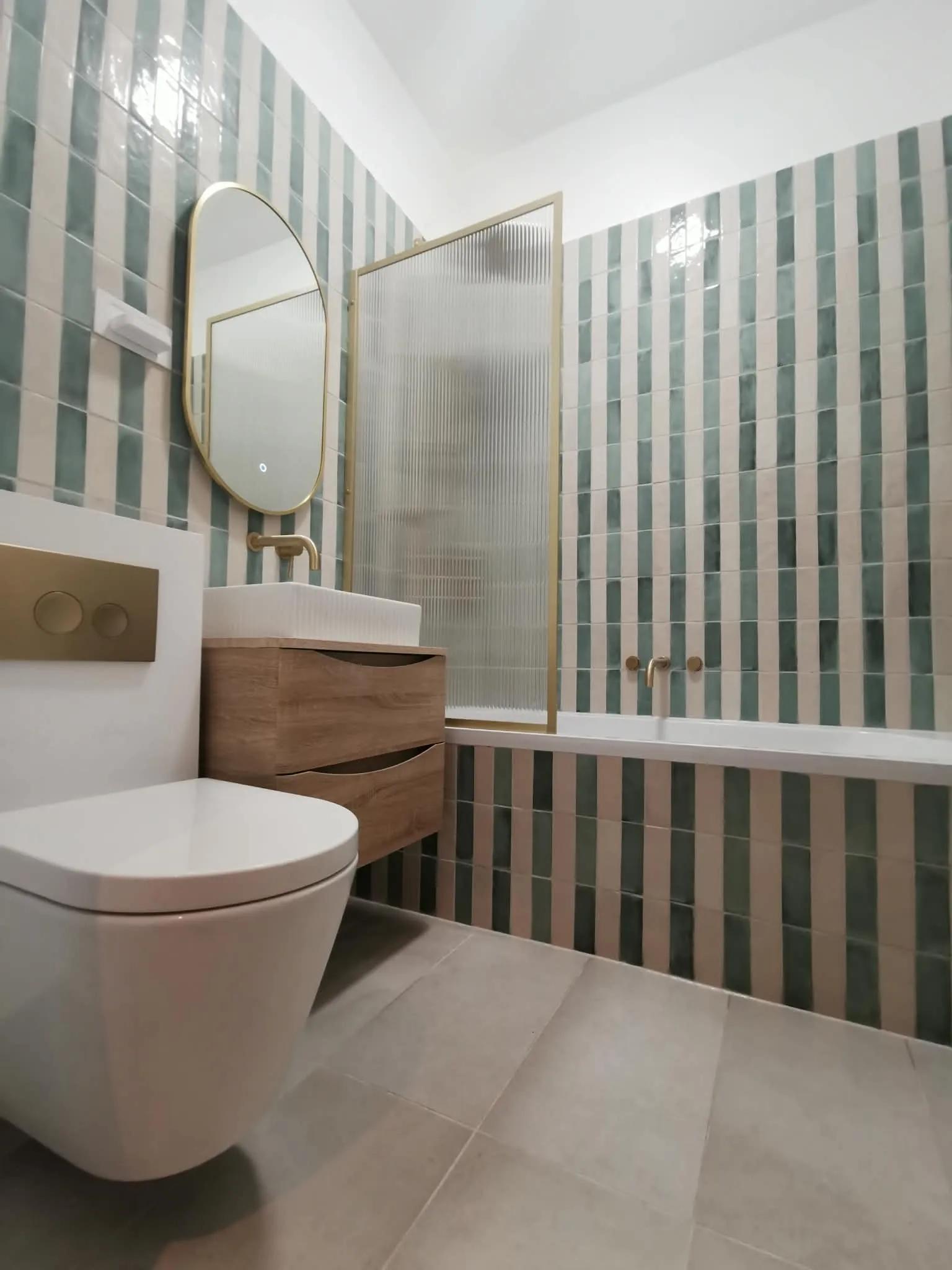
A vanity unit combines storage with style. Our guide covers everything from wall-mounted vs floor-standing to materials, sizes, and top brand recommendations.
A vanity unit is the workhorse of modern bathroom design — combining the basin, storage, and counter space into a single piece. The right vanity anchors your bathroom's aesthetic while solving the practical problem of where to put everything.
Wall-Mounted vs Floor-Standing
Wall-Mounted (Floating)
Fixed to the wall with visible floor space underneath. This is our most recommended option for several reasons:
- Floor beneath is visible and easy to clean — no awkward mopping around legs
- Makes the bathroom feel more spacious, especially in smaller rooms
- Modern, contemporary aesthetic that suits most design schemes
- Height can be customised to suit the user
Wall-mounted units require a solid wall or reinforced stud wall for fixing. Weight capacity must be considered — a full unit with basin and water can weigh 40-60kg.
Floor-Standing
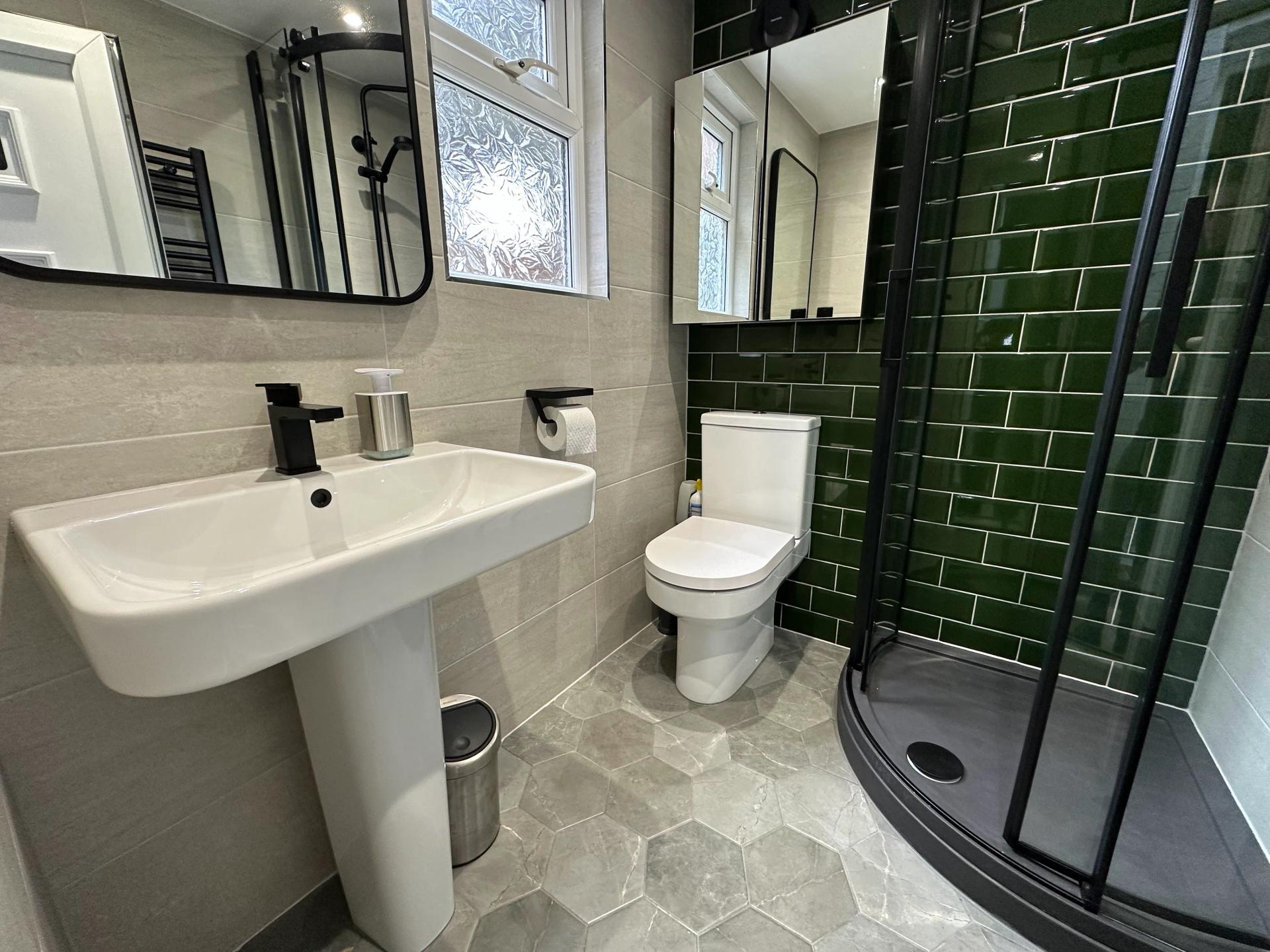
Sits on the floor with feet or a plinth. More traditional in appearance and easier to install (no wall-fixing considerations). Better suited to traditional or transitional bathroom styles where the furniture has a more substantial presence.
Sizes
- 400-450mm: Cloakroom units — minimal but functional for WCs and small en-suites
- 500-550mm: Compact units for smaller bathrooms and en-suites. Enough storage for essentials
- 600mm: The most popular size. Good balance of counter space, storage, and room footprint
- 800mm: Generous sizing with substantial storage. Suits medium to large bathrooms
- 1000-1200mm: Large units, often with twin basins or a single basin with extended counter. For spacious bathrooms and master en-suites
Materials
MDF/MFC (Moisture-Resistant)
Most bathroom furniture uses moisture-resistant MDF or MFC (melamine-faced chipboard). Quality varies enormously. Look for 18mm+ thickness, fully sealed edges, and soft-close hinges. Painted finishes in matt or gloss are popular. This is the standard for brands like Roper Rhodes, Britton, and Ideal Standard.
Solid Wood
Oak, walnut, and teak are used in premium vanity units. Solid wood brings warmth and character but requires proper sealing and ventilation. Not suitable for bathrooms with poor ventilation. Brands like Burlington and Miller offer solid wood furniture.
Composite/Lacquer
High-end brands like Duravit and Villeroy & Boch use lacquered surfaces with multi-layer coating systems. These are highly durable, water-resistant, and available in extensive colour ranges. More expensive but noticeably premium in feel and finish.
Countertop Options
If using a countertop basin rather than an integrated basin, you'll need a surface for it to sit on:
- Solid surface (Corian-type): Seamless, warm to touch, repairable. From £200/m
- Natural stone (marble, granite): Luxurious and durable. From £300/m
- Engineered quartz: Hard-wearing, non-porous, consistent pattern. From £250/m
- Timber: Warm and characterful. Must be properly sealed. From £150/m
Storage Layout
Consider what you need to store:
- Drawers: Better for small items (toiletries, makeup, razors). Full-extension soft-close drawer runners are a must
- Doors: Better for taller items (bottles, cleaning products). Internal shelves add versatility
- Open shelving: Display storage for towels and decorative items. Not practical for daily toiletries
The best vanity units combine drawers (top) with a door compartment (bottom) for maximum versatility.
Our Top Recommendations
- Budget: Ideal Standard i.life — good quality MFC, clean design, from £250
- Mid-range: Roper Rhodes Frame or System — excellent build quality, wall-mounted, from £450
- Premium: Duravit L-Cube — lacquered finish, soft-close, from £600
- Traditional: Burlington Olive 650mm — period style, solid construction, from £500
Contact us to discuss vanity units for your renovation — we'll help you balance style, storage, and budget.
Frequently Asked Questions
Can any basin be used with any vanity unit?
Not always. Countertop basins need a surface to sit on and a waste hole cut into the unit. Integrated basins are unit-specific. Check compatibility before purchasing — we handle this as part of our design process.
How do I prevent moisture damage to bathroom furniture?
Good ventilation is essential — a quality extractor fan is the single best investment. Also ensure all cut-outs (for plumbing) are sealed, and wipe up standing water promptly.
What depth of vanity unit do I need?
Standard depth is 450-500mm. For narrow bathrooms, slim-depth units (350-400mm) are available. Below 350mm, you lose meaningful storage capacity.
Should I get a vanity unit with legs or wall-mounted?
Wall-mounted for modern bathrooms — it's easier to clean underneath and looks more contemporary. Legged or floor-standing for traditional styles where the furniture should have presence.
2026 Update
Reviewed for 2026. Fixture ranges and finishes move quickly, so use this as a guide and check current availability before you buy. Need help choosing for your bathroom? Get tailored advice and a fixed-price quote.