Concealed vs Exposed Shower Systems: Which Is Right for You?
The choice between concealed and exposed shower valves affects your bathroom's look, cost, and installation complexity. Here's how to decide.
The shower valve style — concealed or exposed — is one of the most impactful design decisions in a bathroom renovation. It affects how the shower looks, what it costs, and how it's installed. Here's our guide.
Exposed Shower Systems
An exposed system mounts on the surface of the wall with all components visible — the valve body, the riser rail, and the connections. The pipework runs outside the wall.
Advantages
- Lower cost: Both the product and installation are less expensive. No wall cavity work needed
- Easy replacement: The entire system can be swapped without touching the tiles
- Quick installation: Connects to existing pipework on the wall surface
- Accessible maintenance: All components are visible and accessible
Disadvantages
- Visual clutter: Visible pipes and valve body take away from a clean aesthetic
- Cleaning: More surfaces to clean, including behind exposed pipes
- Limited design options: Most exposed valves look similar — a horizontal bar with controls at each end
Concealed Shower Systems
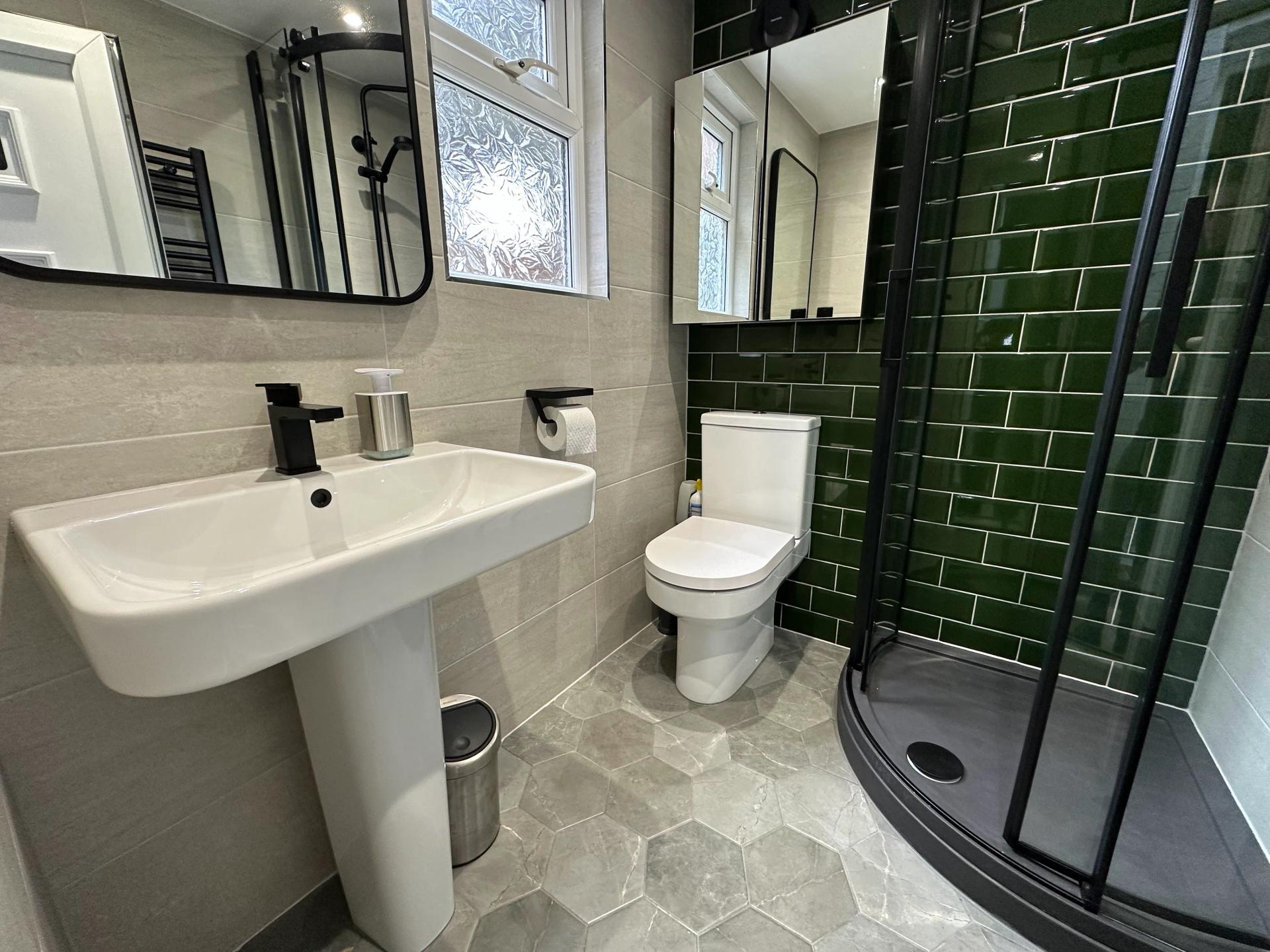
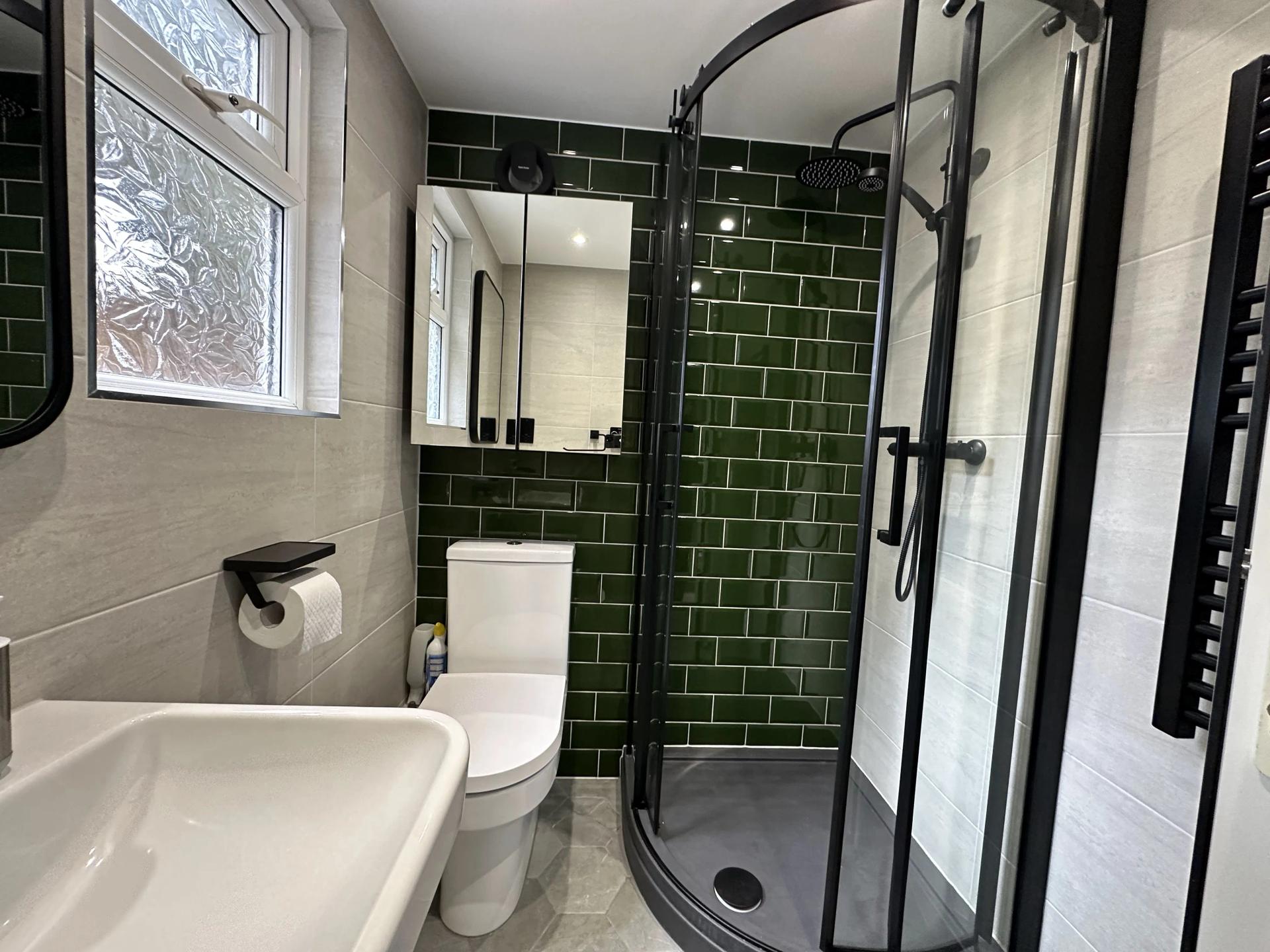
The valve body and pipework are hidden behind the wall. Only the control trim, shower outlets (overhead and handset), and the shower arm are visible on the finished wall.
Advantages
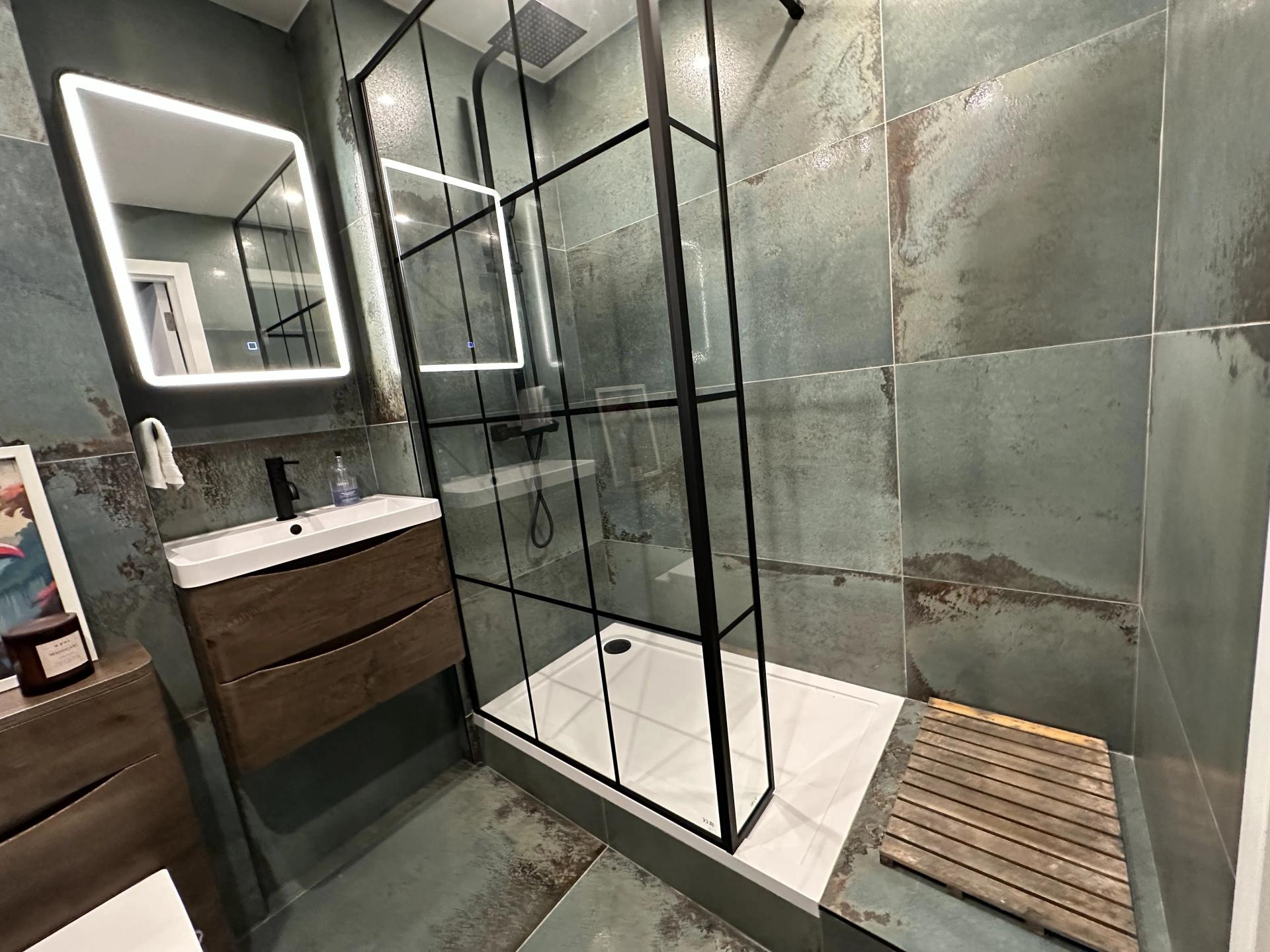
- Clean aesthetic: Only minimal trim is visible on the tiled wall — the gold standard for contemporary bathrooms
- Design flexibility: Choose from round, square, or custom trim designs in multiple finishes
- More outlet options: Concealed valves can control 2-3 outlets (overhead, handset, body jets) through a single control
- Easier to clean: Smooth tiled wall with minimal protrusions
Disadvantages
- Higher cost: Requires wall cavity work, more complex plumbing, and typically more expensive hardware
- Installation timing: Must be installed during the renovation before tiling — cannot be retrofitted without opening the wall
- Maintenance access: The valve is behind the wall, though quality brands (Hansgrohe iBox, Grohe Rapido) provide access panels or service from the front
Cost Comparison
| System | Hardware | Installation | Total (installed) |
|---|---|---|---|
| Exposed thermostatic bar | £120 – £350 | £200 – £350 | £320 – £700 |
| Concealed 1-outlet | £250 – £600 | £400 – £600 | £650 – £1,200 |
| Concealed 2-outlet | £350 – £800 | £500 – £700 | £850 – £1,500 |
| Concealed 3-outlet | £500 – £1,200 | £600 – £900 | £1,100 – £2,100 |
What We Recommend
For full bathroom renovations, always go concealed. When you're already tiling the walls and routing plumbing, the additional cost is proportionally small, and the aesthetic difference is dramatic. A concealed valve with a fixed overhead shower and separate handset (2-outlet) is our most popular configuration.
For shower replacements without retiling, exposed systems are the practical choice. A quality exposed thermostatic bar valve (Mira Agile, Grohe Grohtherm 1000) looks perfectly good and avoids disturbing finished walls.
Get in touch and we'll recommend the right shower configuration for your project.
Frequently Asked Questions
Can I add a second outlet to an existing concealed valve?
Only if the valve has a spare outlet. Single-outlet valves cannot be upgraded without replacing the entire valve body behind the wall. This is why we often recommend installing a 2-outlet valve even if you only plan to use one initially.
Do concealed showers have lower water pressure?
No. When properly installed, concealed systems have identical flow characteristics to exposed systems. The key is pipe sizing — 15mm minimum, 22mm for high-flow systems.
What happens if a concealed valve fails?
Quality concealed valves (Hansgrohe iBox, Grohe Rapido SmartBox) are designed so the cartridge can be accessed and replaced from the front without removing tiles. This is a key reason to use premium brands.
Can I install a concealed shower on a stud wall?
Yes. The valve body fits between the studs. Ensure the wall is sufficiently deep (minimum 70mm cavity) and that the stud wall is properly braced to support the shower arm and overhead.
2026 Update
Reviewed for 2026. Fixture ranges and finishes move quickly, so use this as a guide and check current availability before you buy. Need help choosing for your bathroom? Get tailored advice and a fixed-price quote.