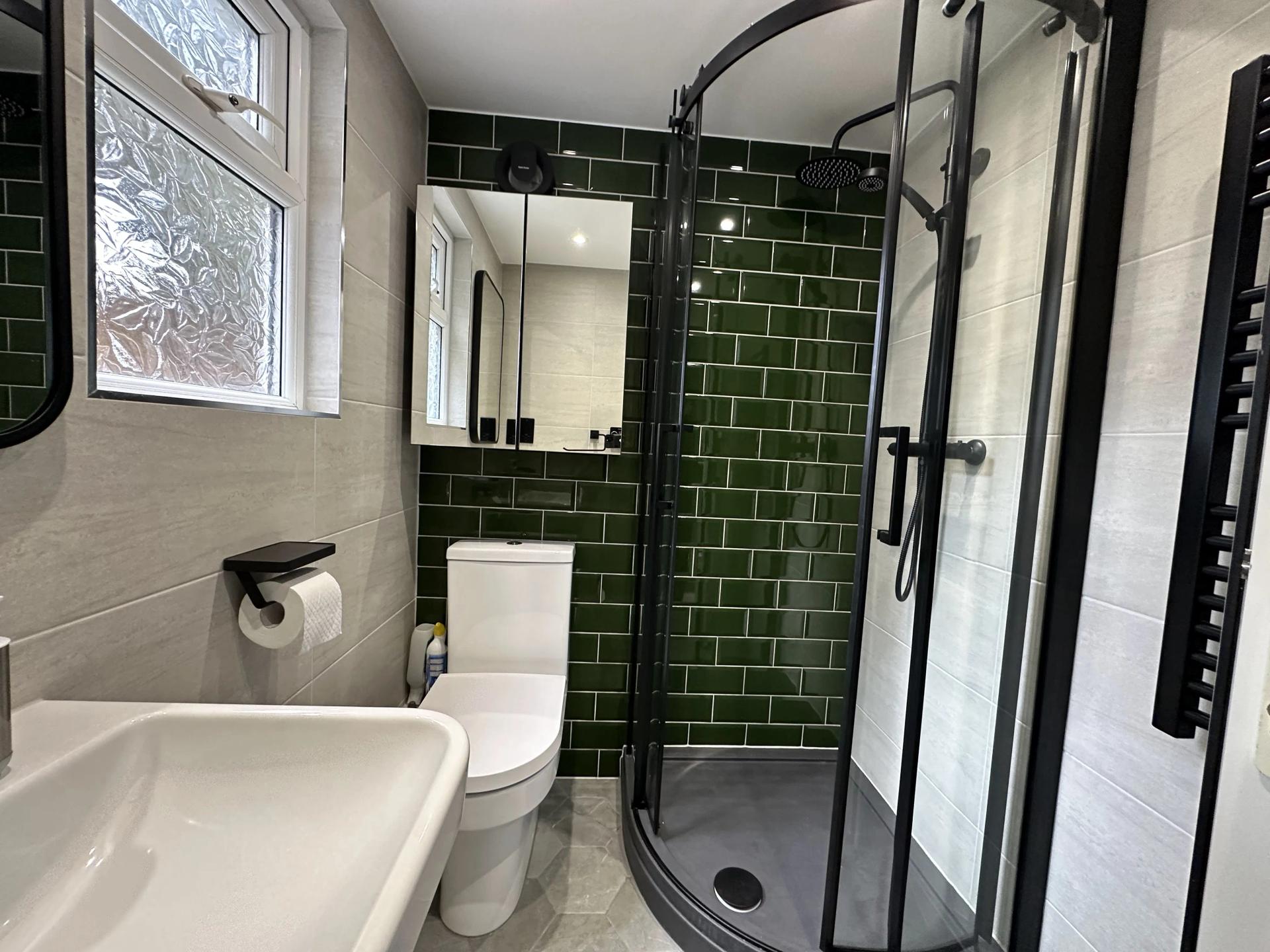
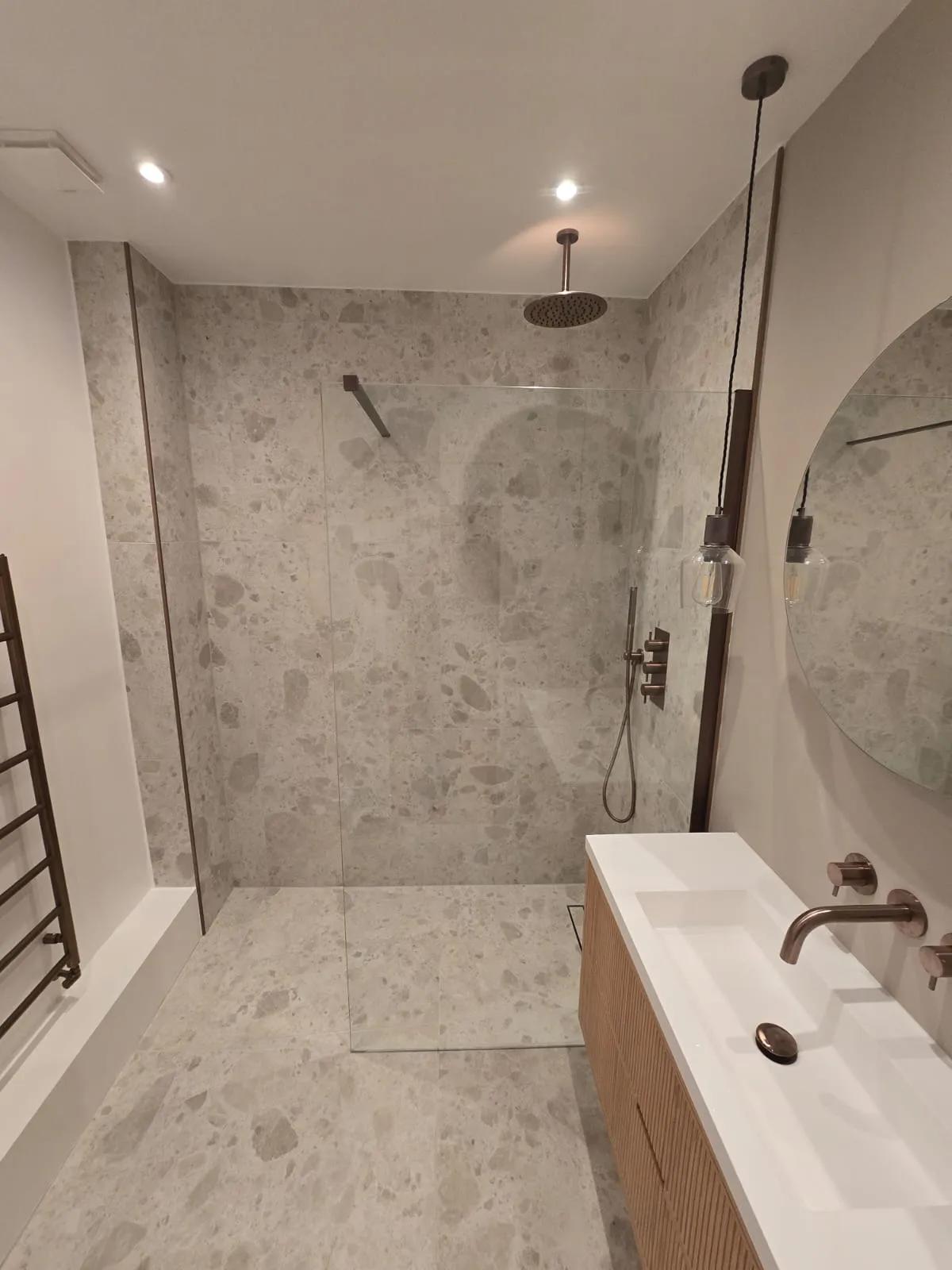
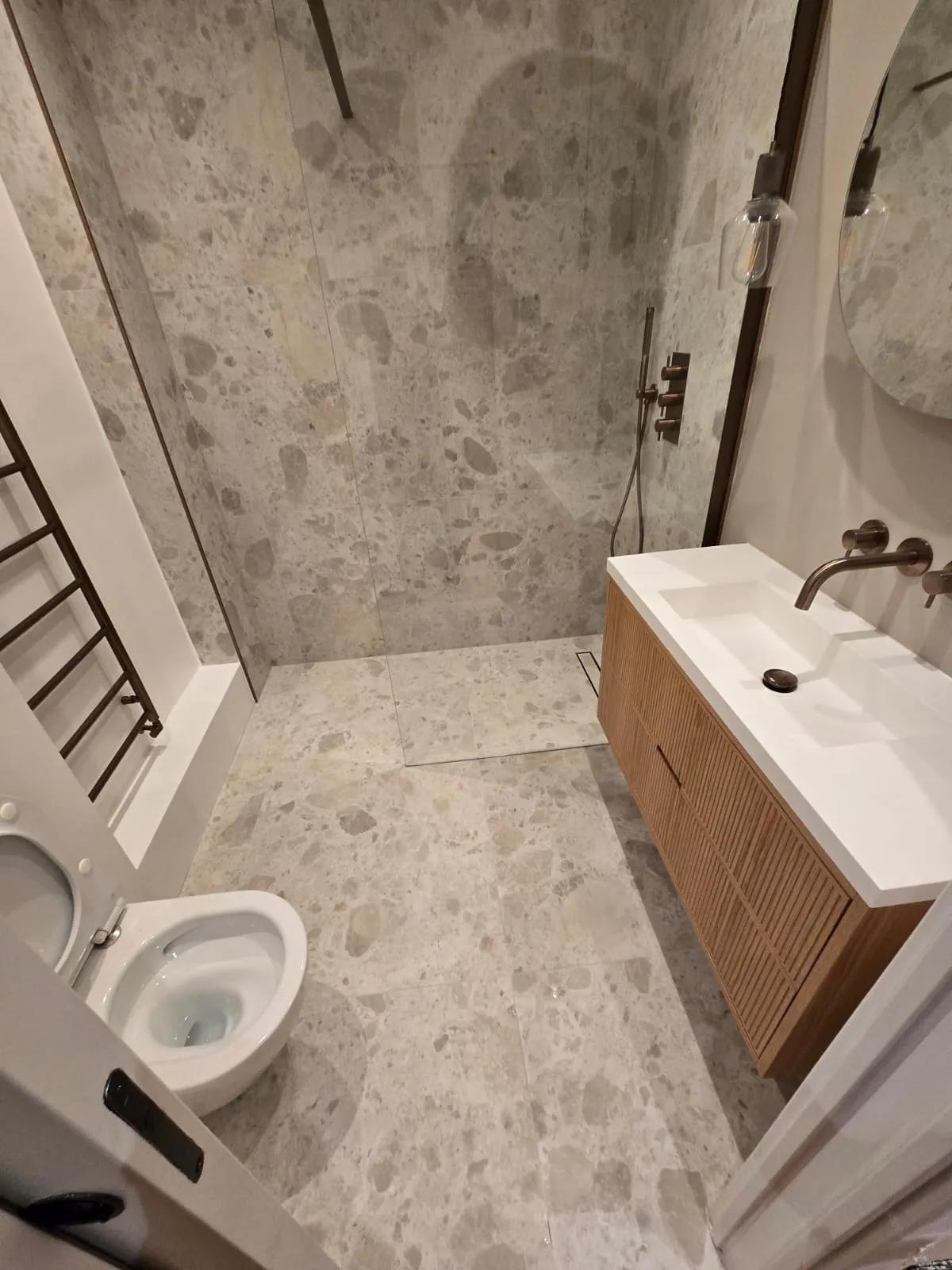
Heated Towel Rails: Choosing Between Electric and Central Heating
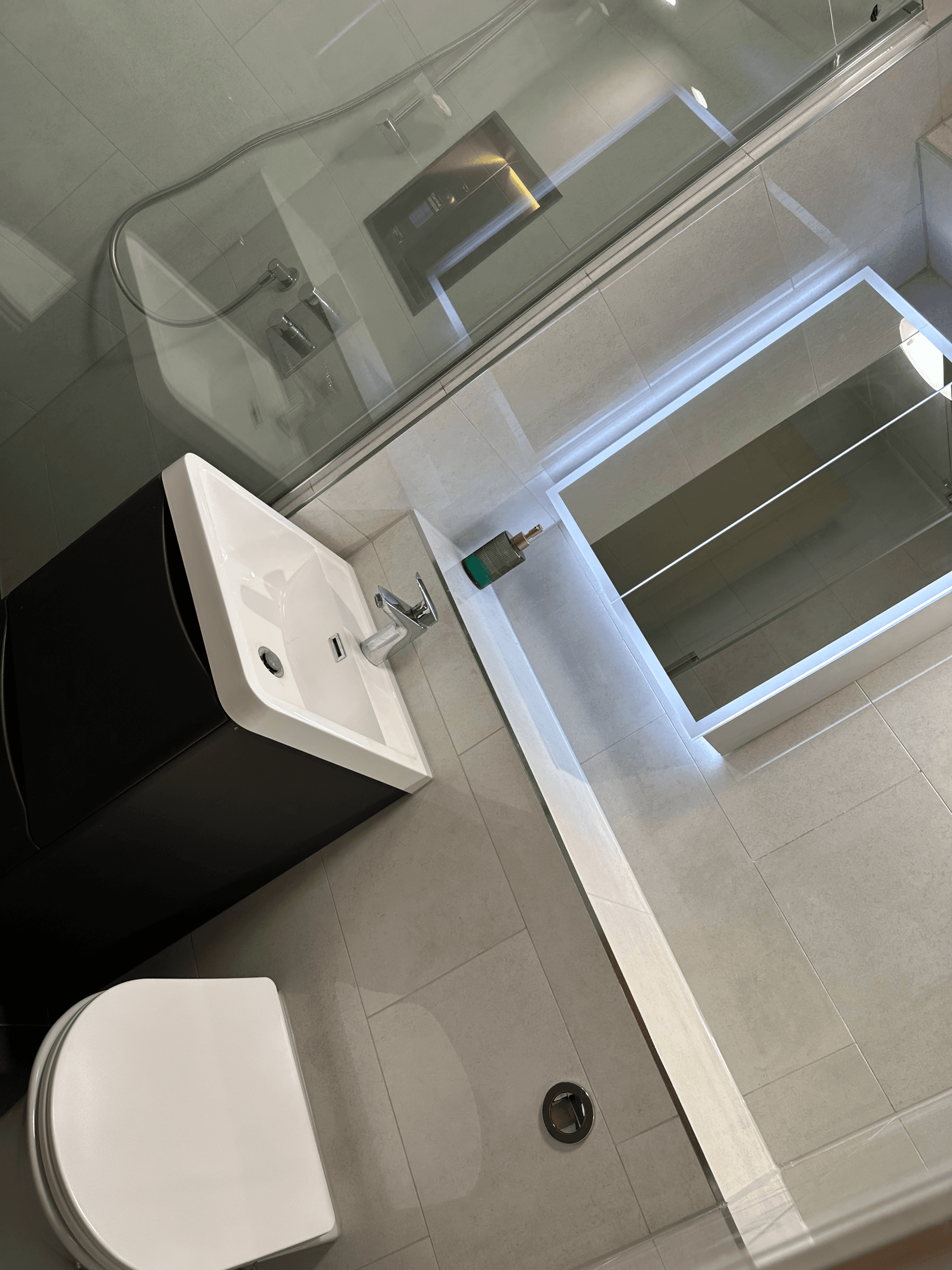
Warm towels are a small luxury that makes a big difference. Here's how to choose between electric and plumbed heated towel rails for your bathroom.
A heated towel rail is one of those bathroom additions that, once you have one, you'll wonder how you ever lived without it. Warm, dry towels after every shower is a simple pleasure — but choosing between an electric and a central heating (plumbed) towel rail isn't always straightforward.
Central Heating Towel Rails
These connect to your existing central heating system, just like a standard radiator. They fill with hot water from the boiler and heat up when the heating is on.
Pros:
- Lower running costs — uses your existing boiler
- No additional electrical circuit required
- Gets very hot — effective bathroom heating in winter
Cons:
- Only works when the heating is on — No warm towels in summer unless you run the entire central heating system
- Requires plumbing connection to the heating circuit
- If the boiler breaks down, you lose the towel rail too
- Can't be independently controlled — it heats whenever the central heating runs
Electric Towel Rails
These run independently on their own electrical circuit, typically connected via a fused spur. They contain an electric heating element and can be switched on and off independently of your central heating.
Pros:
- Works year-round — Warm towels in every season
- Independent control — on/off, timer, or thermostat
- No plumbing connection needed — easier to install and position anywhere
- Essential for bathrooms without central heating access (external bathrooms, conversions)
Cons:
- Marginally higher running costs than central heating
- Requires a dedicated electrical connection (fused spur)
- Some models take longer to reach full temperature
Dual Fuel: The Best of Both Worlds
Dual fuel towel rails connect to both the central heating system and an electric element. When the heating is on, they work like a standard radiator. When the heating is off (summer), the electric element keeps them warm independently. It's the most versatile option, though slightly more expensive to install.
Our Recommendation
For most London bathroom renovations, we recommend electric towel rails with a built-in thermostat. The independence from the central heating system means warm towels 365 days a year, the installation is simpler, and the running cost is modest — typically 3-5p per hour for a standard-sized rail.
Want to include a heated towel rail in your renovation? Request a quote and we'll recommend the best option for your bathroom.
2026 Update
Reviewed for 2026. Guidance here remains current; if in doubt about your own bathroom, our team is happy to help. Get in touch for a free quote.