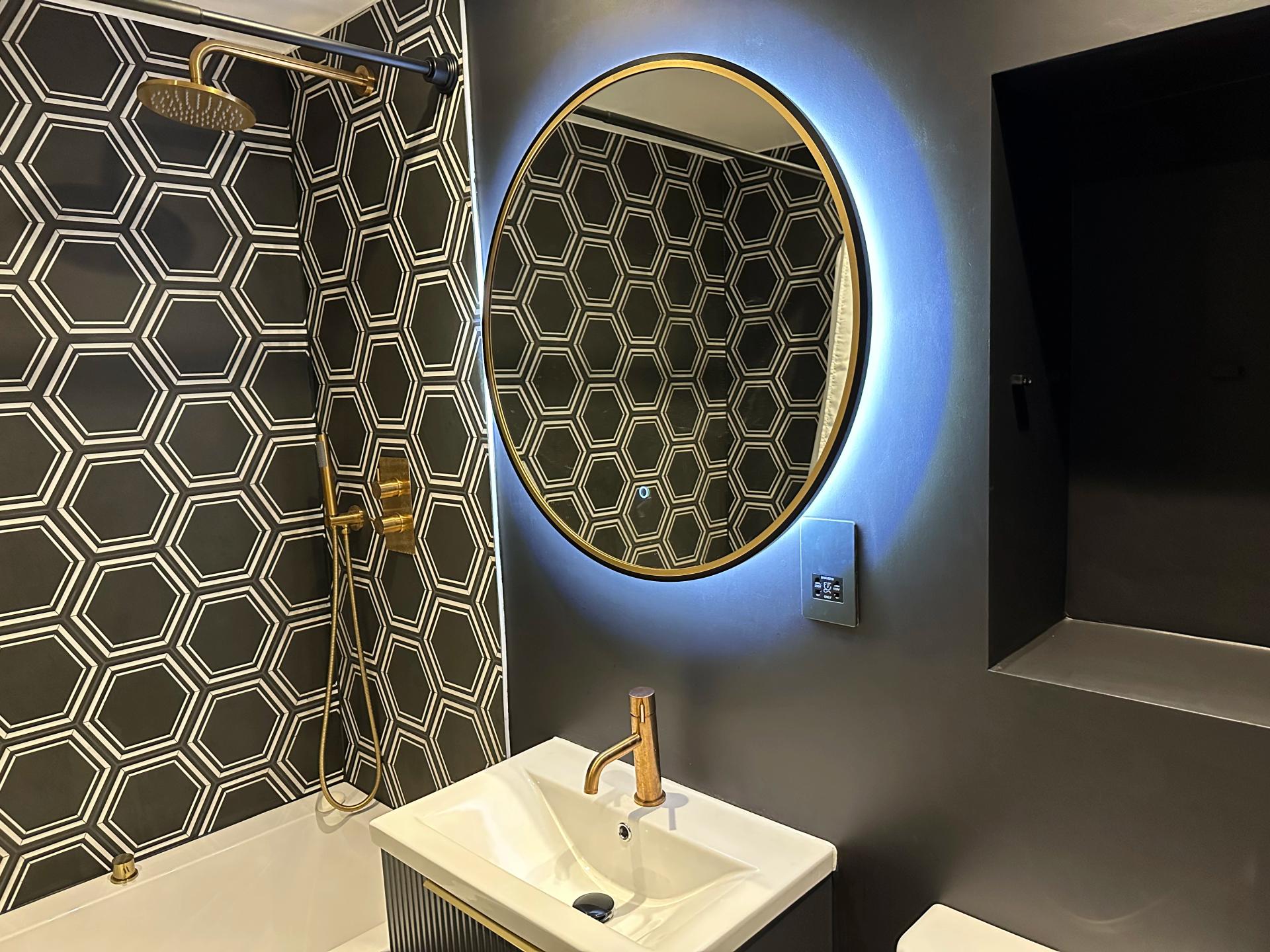
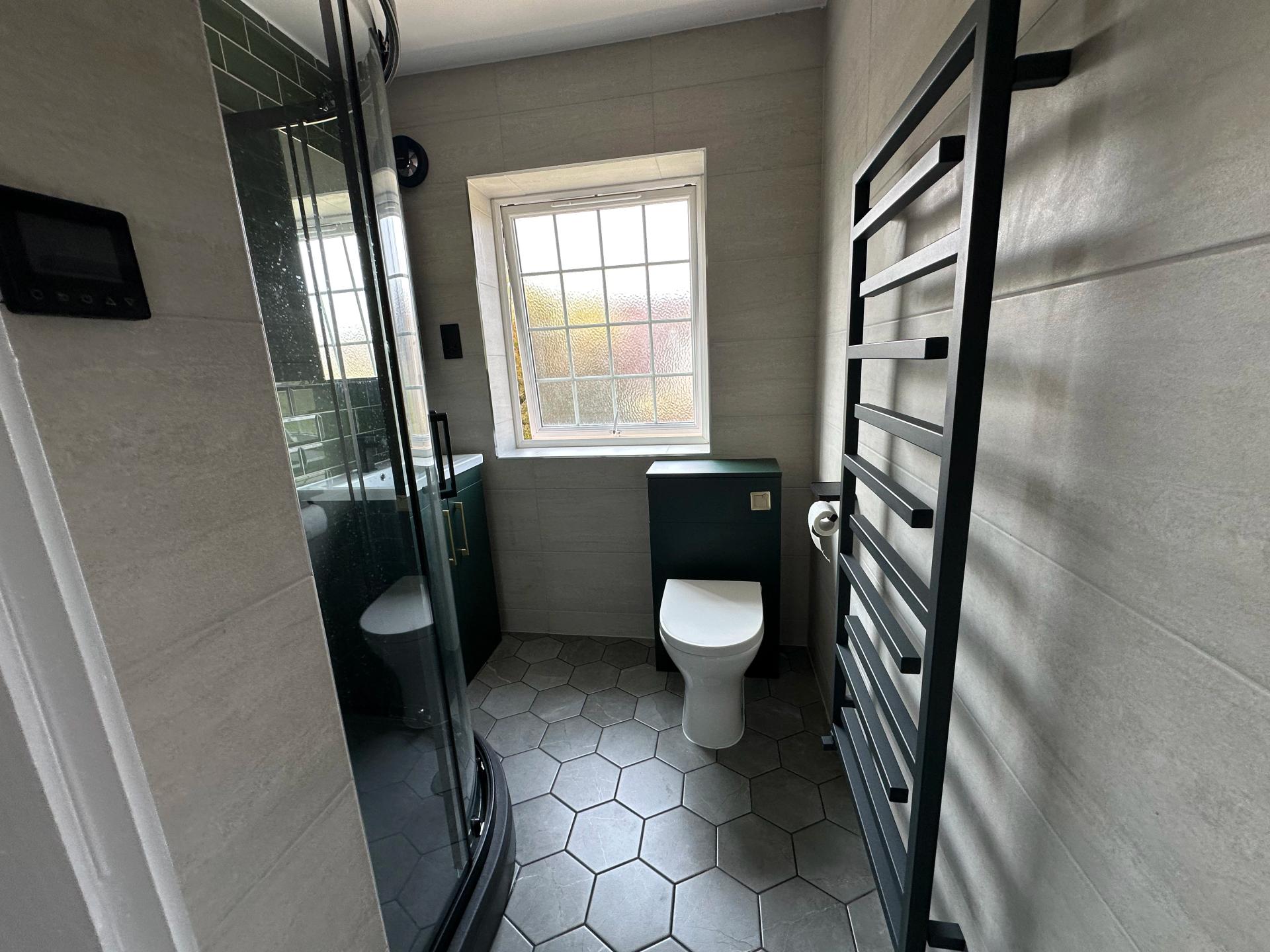
Japanese-Inspired Bathroom Design: Minimalist Ideas for London Homes
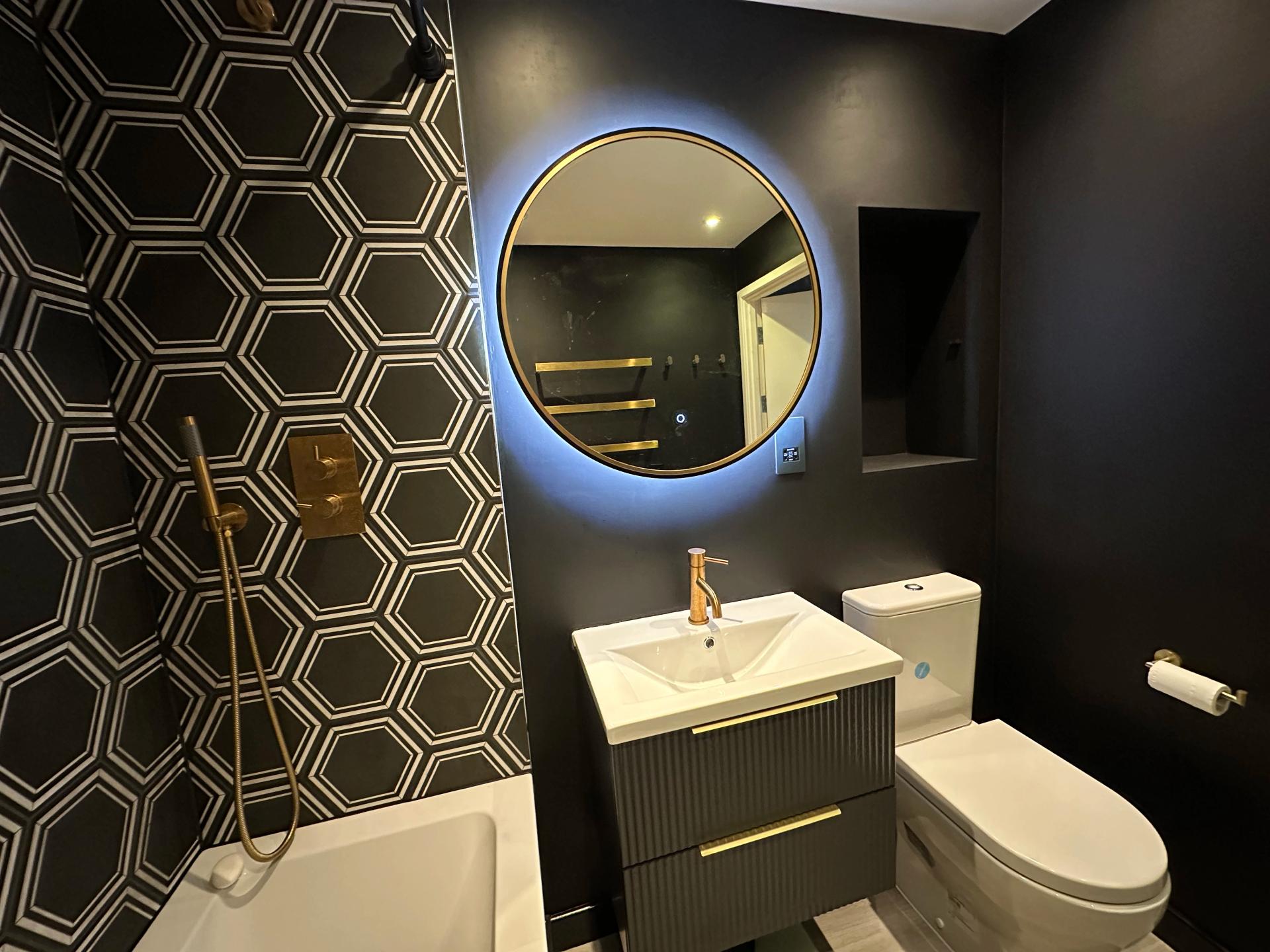
Japanese bathroom design prioritises calm, cleanliness, and natural materials. Here's how to bring this serene aesthetic to your London bathroom renovation.
Japanese bathroom design is rooted in principles of cleanliness, simplicity, and harmony with nature. The Japanese bathing tradition separates washing (done outside the tub) from soaking (done in the tub for relaxation), creating a deeply intentional experience. Here's how to incorporate these principles into a London bathroom renovation.
Core Principles
Separation of Functions
In a traditional Japanese bathroom, the washing area is separate from the soaking tub. You shower and clean yourself first, then enter the tub to soak and relax. This can be adapted in UK bathrooms with a wet room layout — the shower area and bath occupy the same waterproofed space, with a subtle level change or glass panel separating them.
Natural Materials
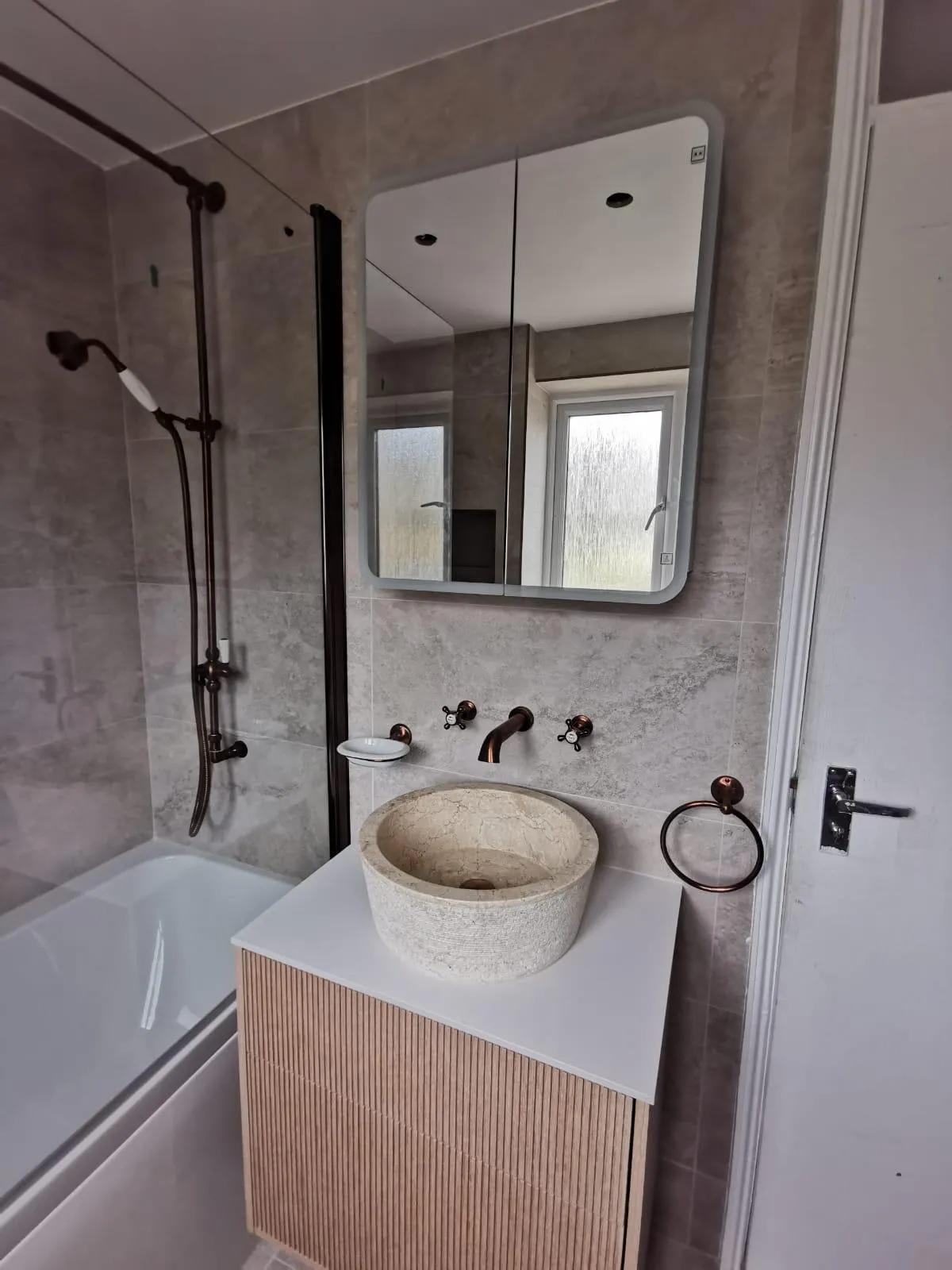
Japanese design favours natural, warm materials: wood (hinoki cedar, teak, bamboo), natural stone, and organic textures. In UK bathrooms, wood-effect porcelain tiles achieve the warm aesthetic without the maintenance demands of real timber in a wet environment.
Minimalism
Every element should serve a purpose. No decorative clutter, no unnecessary fixtures. Storage is concealed, surfaces are clear, and the overall impression is calm and uncluttered.
Key Design Elements
Soaking Tub (Ofuro)
The traditional Japanese soaking tub is deeper and shorter than a Western bath — designed for sitting upright and soaking up to shoulder level. Modern interpretations in stone, composite, or timber are available from brands like Victoria + Albert and Clearwater. For smaller London bathrooms, a deep, compact freestanding tub captures the essence without requiring excessive floor space.
Wet Room Layout
A fully tanked wet room with a gentle floor gradient is the closest Western equivalent to the Japanese bathing room. The entire floor is waterproof, allowing water to flow freely — exactly as intended in Japanese design. This also eliminates the need for shower enclosures, contributing to the minimalist aesthetic.
Warm, Neutral Palette
Japanese bathrooms use warm neutrals: pale wood tones, warm whites, soft greys, and muted greens. Avoid stark white or high-contrast schemes — the goal is warmth and calm. Large-format tiles in warm stone or wood effects work beautifully.
Indirect Lighting
Soft, indirect lighting enhances the meditative quality of a Japanese bathroom. Recessed LED strips behind mirrors, under vanity units, and along wall niches create a gentle, ambient glow. Avoid harsh overhead spotlights.
Living Plants
Greenery is important in Japanese design. Choose humidity-loving plants: ferns, peace lilies, pothos, or bamboo. A single, well-placed plant in a simple ceramic pot adds organic life to the space.
Practical Adaptations for London
- Use wood-effect porcelain tiles instead of real timber for floor and walls — identical aesthetic with zero maintenance
- Install underfloor heating — essential for the barefoot experience that Japanese bathing demands
- Choose a wall-hung toilet to maintain clean floor lines
- Consider a Japanese-style toilet seat (Toto Washlet or Geberit AquaClean) for the full experience
- Incorporate a niche or alcove for toiletries rather than shelving or baskets
Budget Considerations
A Japanese-inspired bathroom renovation typically costs 10-15% more than a standard contemporary renovation due to premium materials and the wet room tanking required. However, the minimalist approach means fewer fixtures and accessories, which partially offsets the material costs.
Interested in a Japanese-inspired bathroom? Get in touch and we'll create a design concept tailored to your space.
Frequently Asked Questions
Can I create a Japanese bathroom in a small London flat?
Absolutely. Japanese bathrooms are inherently suited to small spaces — the wet room layout eliminates the need for a shower enclosure, and the minimalist aesthetic makes compact rooms feel calm rather than cramped.
Are Japanese soaking tubs practical for daily use?
Yes. They're designed for daily bathing. The key difference is depth — you sit upright rather than recline. For families, a compromise is a standard-depth bath with a deeper-than-usual option (500mm+).
Is real wood practical in a bathroom?
Only if properly maintained. Teak and marine-grade timber can work in bathrooms but need regular oiling. Wood-effect porcelain tiles are the practical alternative and are virtually indistinguishable from the real thing.
What about ventilation for a wet room layout?
Good ventilation is critical. A humidity-sensing extractor fan (minimum 15 litres/second) is essential. In Japanese bathrooms, moisture management is part of the design — everything is waterproof by intention.
2026 Update
Refreshed for 2026. Design trends evolve, but the principles here still hold — choose timeless surfaces and add personality through changeable details. Want this look in your home? Get a free 3D design and quote.