Wet Room Design: Ideas, Costs, and Practical Considerations
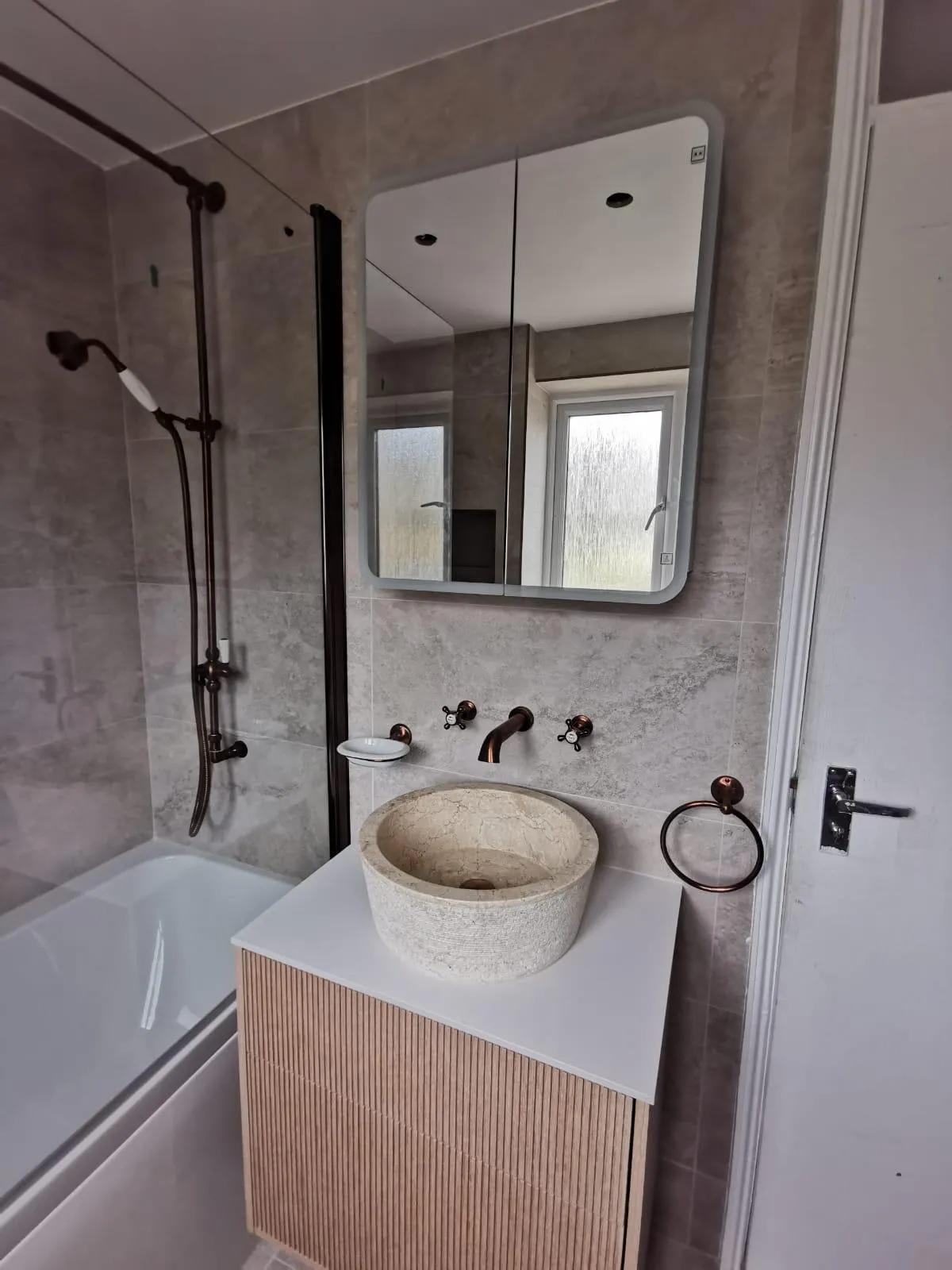
A wet room removes barriers and creates a seamless, contemporary bathroom. Here's everything you need to know about designing and installing one.
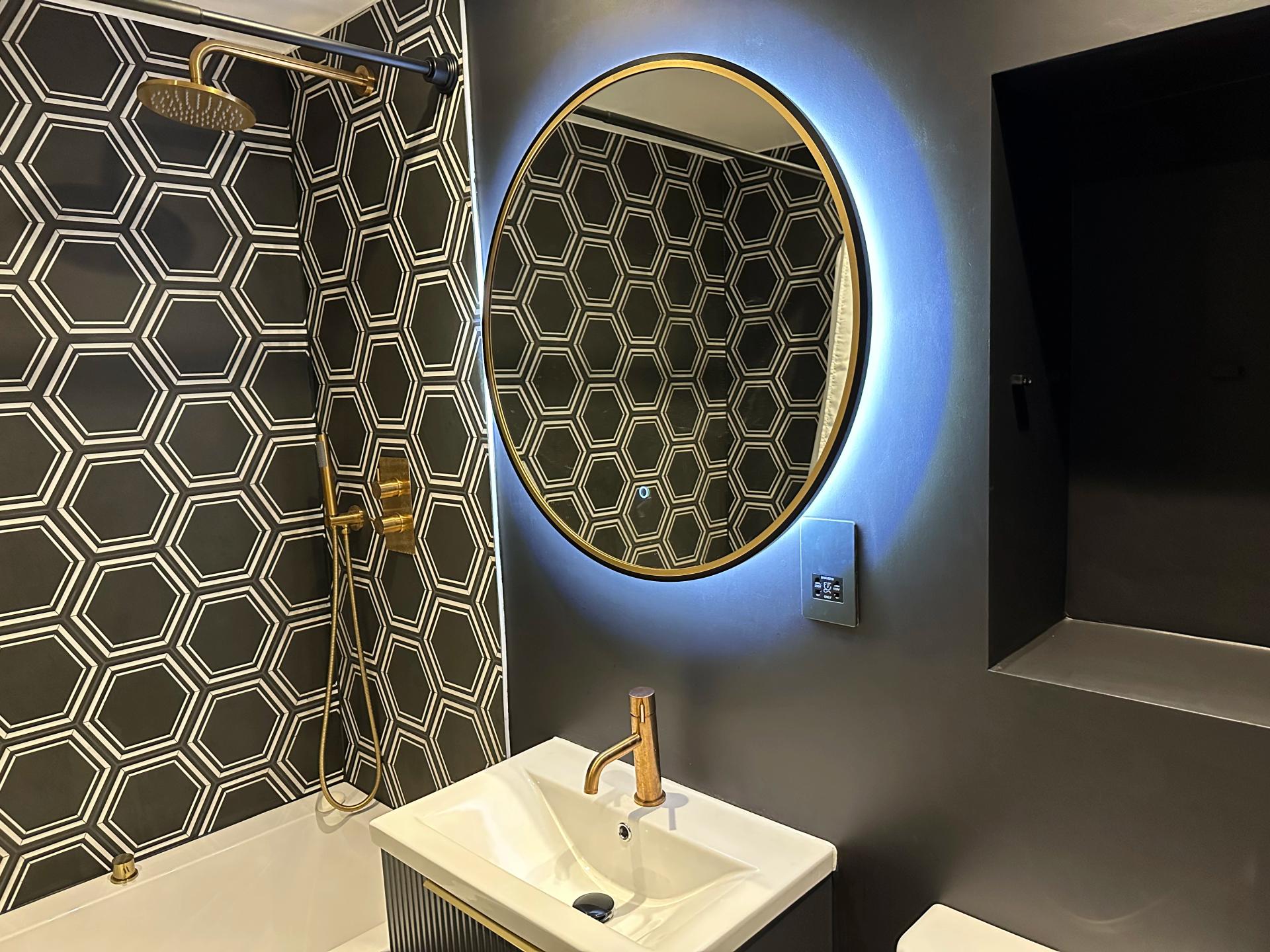
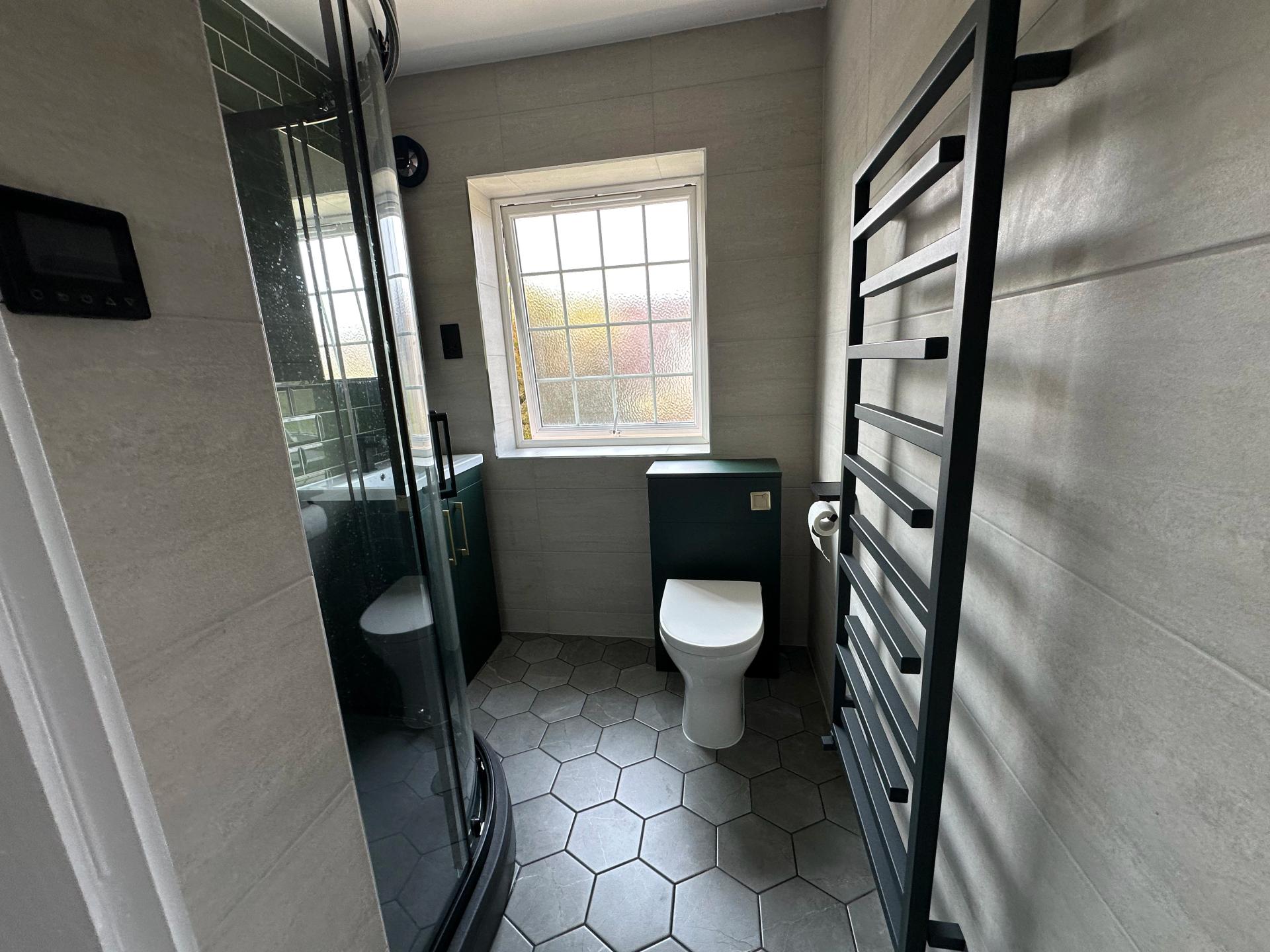
A wet room eliminates the traditional shower tray and enclosure, creating a fully waterproofed room where the entire floor acts as the shower area. The result is a seamless, contemporary space that feels significantly larger than a conventional bathroom. Here's what you need to know.
What Is a Wet Room?
In a true wet room, the entire floor is waterproofed (tanked) with a gradient towards a linear or point drain. There's no step up, no shower tray, and optionally no glass screen — though most homeowners include a fixed glass panel to contain the main spray area.
Advantages
- Space efficiency: No shower tray or enclosure frame takes up floor space. The room feels significantly larger
- Accessibility: Level-access entry makes wet rooms ideal for wheelchair users, elderly residents, and anyone with mobility concerns
- Easy cleaning: Continuous floor tiles with no tray edges or shower door tracks to clean
- Contemporary aesthetic: The seamless look is the gold standard for modern bathroom design
- Property value: A well-installed wet room adds value and appeal, especially in London's competitive property market
Design Considerations
Drainage
The shower area floor needs a gradient (typically 1:80 or approximately 12mm per metre) towards the drain. Two main drain types:
- Linear drain: A long, narrow channel typically positioned along one wall. Creates a single-fall gradient, which is easier to tile. The most popular choice for contemporary wet rooms
- Point drain: A circular drain positioned centrally in the shower zone. Requires a four-way gradient, which is more complex to tile — particularly with large-format tiles
Waterproofing (Tanking)
The entire wet room floor and walls (to a minimum height of 1200mm, ideally full height) must be tanked using a waterproof membrane system. Common systems include:
- Liquid-applied tanking (BAL, Mapei, AquaSeal) — painted on in multiple coats
- Sheet membrane systems (Schlüter DITRA) — bonded to the substrate
- Pre-formed shower trays (Impey, Wedi) — integrated gradient formers with waterproof surface
Tanking is the most critical element of a wet room installation. Poor waterproofing will cause damp, mould, and structural damage. This is not a DIY job.
Tiles
Large-format tiles (600x600mm or larger) work best on wet room walls — fewer grout lines and a cleaner aesthetic. For the shower floor area, smaller tiles (mosaic or 100x100mm) are sometimes needed to accommodate the gradient, though pre-formed gradient systems allow large tiles throughout.
Costs
| Component | Cost Range |
|---|---|
| Tanking and waterproofing | £800 – £1,500 |
| Linear drain (stainless steel) | £150 – £400 |
| Floor former/gradient | £200 – £500 |
| Glass panel (10mm, fixed) | £300 – £600 |
| Tiling (supply and fit) | £1,500 – £3,000 |
| Total (wet room area) | £2,950 – £6,000 |
A wet room typically costs 20-30% more than a standard shower installation due to the additional tanking and drainage work. However, you save on the shower tray and enclosure.
Interested in a wet room for your bathroom? Get in touch and we'll assess whether your space is suitable and provide a detailed quote.
Frequently Asked Questions
Can any bathroom be converted to a wet room?
Most can, but floor construction matters. Timber floors need strengthening and a suitable waterproof deck. Concrete floors are ideal. We assess suitability as part of our initial consultation.
Will water go everywhere in a wet room?
Not if properly designed. A fixed glass panel contains the main spray area, and the floor gradient directs water to the drain. The rest of the room stays largely dry during normal showering.
Do wet rooms need more ventilation?
Yes. Because there's no enclosed shower space, moisture disperses into the full room. A powerful extractor fan (minimum 15 litres/second for a wet room) is essential.
Are wet rooms suitable for upstairs bathrooms?
Yes, with proper waterproofing. The tanking system protects the floor below. We use belt-and-braces tanking for upstairs wet rooms to ensure complete protection.
2026 Update
Refreshed for 2026. Design trends evolve, but the principles here still hold — choose timeless surfaces and add personality through changeable details. Want this look in your home? Get a free 3D design and quote.